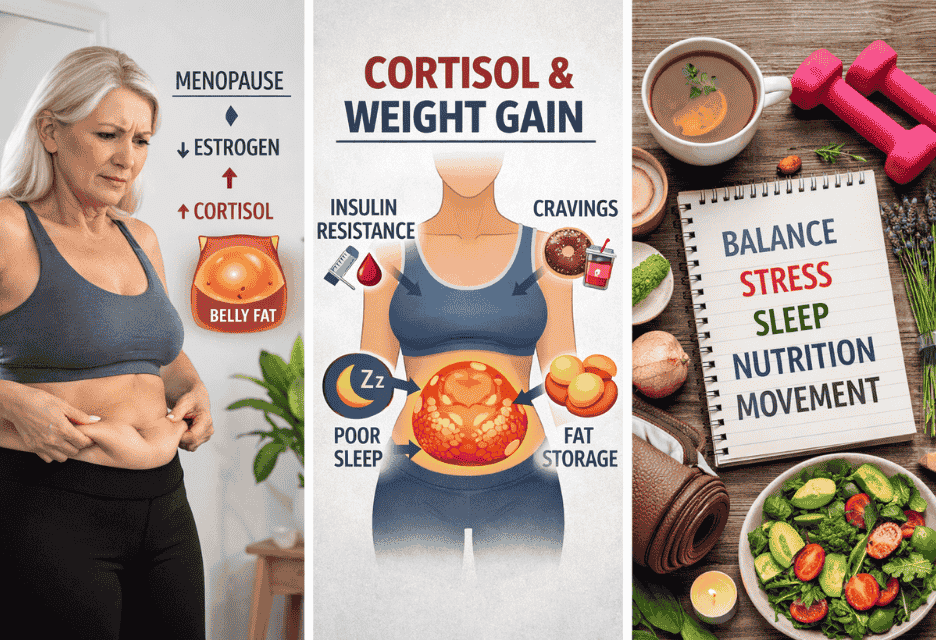
The appeal of medical weight loss telehealth is obvious when you have tried doing everything right and the scale still does not move. You clean up your diet, exercise more consistently, maybe even sleep better, yet weight gain, cravings, fatigue, and inflammation keep showing up. For many adults, especially in midlife, the issue is not a lack of effort. It is that metabolism, hormones, insulin resistance, medications, stress, and gut health can all affect weight in ways a standard diet plan does not address.
That is where telehealth can be genuinely useful – but only when it is real medical care. Some online weight loss programs are built around speed, automation, and one-size-fits-all prescribing. Others are structured more like ongoing physician care, with lab review, clinical decision-making, medication management when appropriate, and follow-up that actually continues after the first visit. The difference matters.
What medical weight loss telehealth should actually include
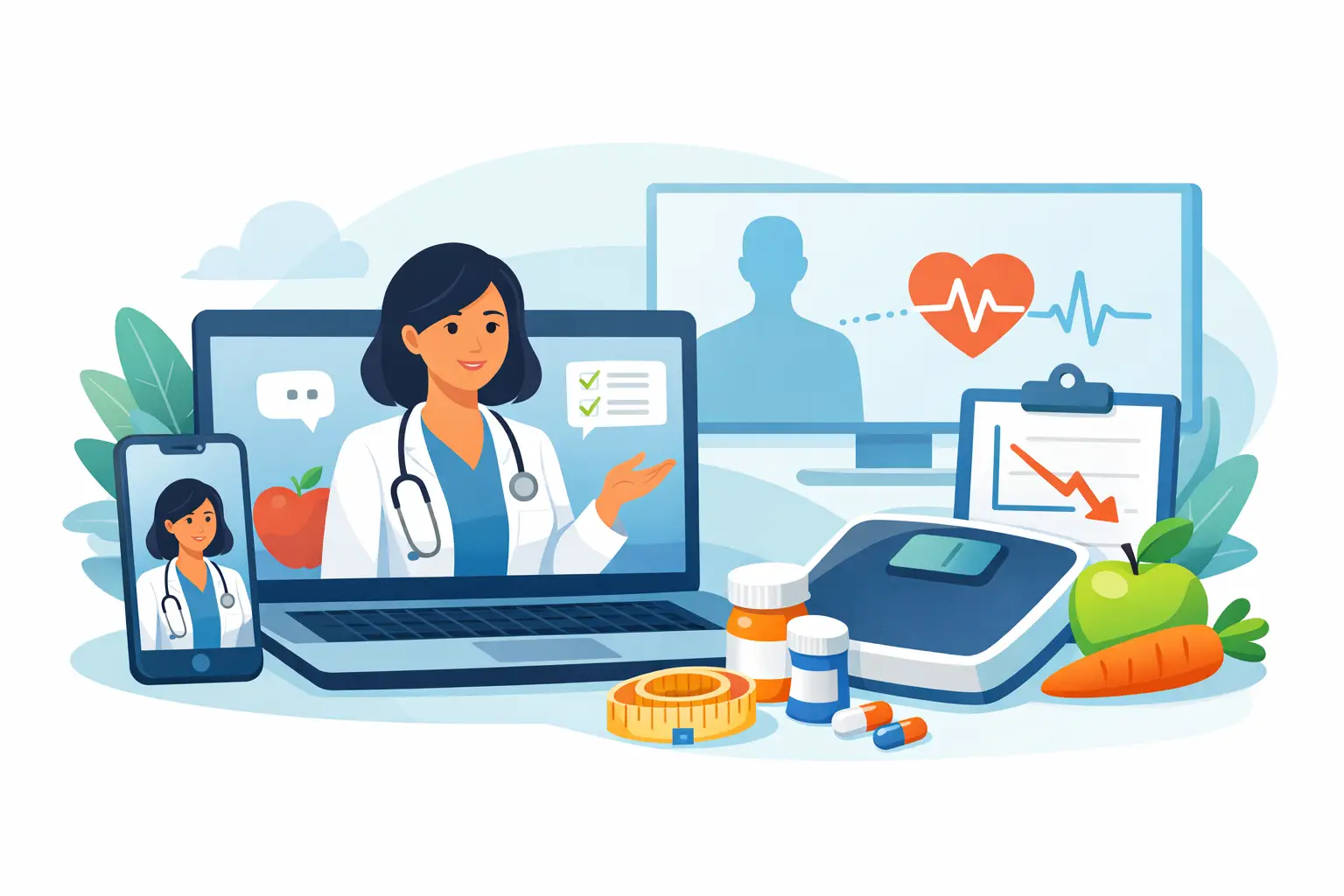
At its best, medical weight loss telehealth is not a shortcut. It is a way to deliver physician-guided care more conveniently, without reducing it to a quick form submission and a shipped prescription.
A serious program starts with a medical evaluation. That means looking at your weight history, symptoms, metabolic risks, current medications, family history, sleep, stress, and daily patterns. It also means asking why the weight is there in the first place. In many patients, especially those dealing with menopause, insulin resistance, PCOS, metabolic syndrome, or chronic inflammation, the answer is more complex than calorie intake alone.
Lab work often becomes part of the picture because treatment decisions should not be made in a vacuum. Thyroid function, glucose regulation, insulin markers, lipid abnormalities, liver health, and hormone changes can all shape a safe and effective plan. If a telehealth service skips this entirely, that is usually a warning sign.
Good care also includes discussion of treatment options beyond medication. Nutrition strategies, strength training, protein intake, sleep quality, alcohol use, stress load, and gut-related symptoms may all affect progress. Medication can help, but it should be part of a broader medical plan rather than the entire plan.
Where medical weight loss telehealth works well
For the right patient, telehealth solves a real access problem. Many people do not have easy access to a board-certified physician who is comfortable managing obesity medicine, metabolic dysfunction, GLP-1 medications, and hormone-related weight changes. Even when that clinician exists locally, appointments may be limited, rushed, or difficult to schedule.
Telehealth removes some of that friction. It allows patients to have meaningful follow-up without driving across town, missing half a workday, or waiting months between visits. That convenience is not just nice to have. In weight management, consistency matters. Small adjustments made at the right time often prevent plateaus, side effects, or treatment dropout.
This model can be especially valuable for patients who need more than a motivational talk. If you are dealing with appetite dysregulation, insulin resistance, menopausal weight gain, fatigue, or repeated rebound after dieting, regular physician input can help connect the dots. That is often difficult in traditional primary care, where visits are short and weight concerns get squeezed into the last few minutes.
The real advantages of physician-guided care
The strongest case for telehealth is not that it is digital. It is that it can create better continuity when the model is built correctly.
Continuity means your physician knows your baseline, your labs, your medication response, and the obstacles that keep showing up. It means a dose change is based on your actual side effects and results, not a generic timeline. It means your fatigue, constipation, reflux, menstrual changes, or muscle loss concerns are part of the conversation, not treated as unrelated complaints.
That matters with GLP-1 medications in particular. These drugs can be effective, but they are not casual prescriptions. Patients need screening, dosing oversight, side effect management, and realistic counseling about expectations, nutrition, hydration, and preserving lean mass. If the only service being offered is access to the drug, the standard of care is too low.
Physician-guided care also tends to be more honest about trade-offs. Some patients are excellent candidates for medication. Others may need a different focus first, such as thyroid evaluation, hormonal review, sleep assessment, or a deeper look at cardiometabolic risk. Good medicine is not about pushing everyone toward the same solution.
What to watch out for in medical weight loss telehealth
Not all platforms are practicing at the same level. The convenience of telehealth has made it easy for some companies to market aggressive promises with very little clinical depth behind them.
If the process feels transactional, it probably is. Be cautious if there is no meaningful medical history, no lab review when clinically appropriate, limited access to the prescribing clinician, or no plan for follow-up beyond renewals. The same applies if communication is routed through layers of customer support rather than direct clinical oversight.
Another common issue is fragmented care. One clinician handles intake, another adjusts medication, and a third responds to questions, if anyone responds at all. That setup may work for simple, low-risk problems. It is a poor fit for medical weight loss, where progress depends on pattern recognition over time.
Price should also be evaluated carefully. A low monthly fee can sound appealing until you realize it buys very little physician involvement. On the other hand, a higher-touch model may cost more but deliver actual medical management, individualized planning, and safer long-term care. The better question is not just what it costs. It is what level of care you are receiving.
Who tends to benefit most
Medical weight loss telehealth is often a strong fit for adults who have already tried conventional approaches and suspect there is more going on metabolically. That includes patients with obesity, prediabetes, insulin resistance, metabolic syndrome, fatty liver concerns, PCOS, and midlife weight changes tied to hormonal shifts.
It can also help patients who feel dismissed in traditional settings. Many people have been told to just eat less and move more, despite symptoms that suggest a broader medical issue. When weight gain shows up alongside brain fog, poor recovery, sleep disruption, bloating, or changing cycles, a more complete evaluation is warranted.
That said, telehealth is not ideal for every situation. Some patients need in-person examination, urgent evaluation, or specialty testing that cannot be handled remotely. A responsible telehealth physician should say so clearly and refer when appropriate. Good telemedicine does not pretend to replace everything. It focuses on what can be done well and safely.
How to tell if a program is built for real results
The best programs are not the loudest. They are the ones that act like medical practices instead of marketing funnels.
Look for physician involvement from the beginning, not just in the fine print. Look for a structured evaluation, discussion of labs, and treatment plans that are tailored to your history and goals. Look for real follow-up, not a prescription with no strategy around it. If medication is offered, there should also be guidance on nutrition, muscle preservation, side effect management, and long-term planning.
It is also worth asking whether the practice is built around continuity. Seeing the same physician over time can make a major difference, especially when treatment needs to adapt. Weight loss is rarely linear. Plateaus, life stress, travel, menopause, medication tolerance, and changing health priorities all affect the path forward.
That is one reason physician-led models such as Text2MD stand apart from high-volume telehealth companies. Patients who want serious metabolic care are usually not looking for a subscription box version of medicine. They want a board-certified physician, lab-informed decisions, and a care plan that keeps evolving as their health does.
Is medical weight loss telehealth worth it?
For many patients, yes – if the care is clinical, individualized, and designed for follow-through. The convenience alone is not enough. What makes it worth it is access to thoughtful medical care that fits real life and keeps moving after the first appointment.
If you have been stuck in the cycle of dieting harder, feeling worse, and getting generic advice, telehealth may offer a better path. Not because it is trendy, but because good medicine delivered consistently can change the trajectory. The right program should help you understand why your body is resisting change and what can be done about it, one medically sound step at a time.