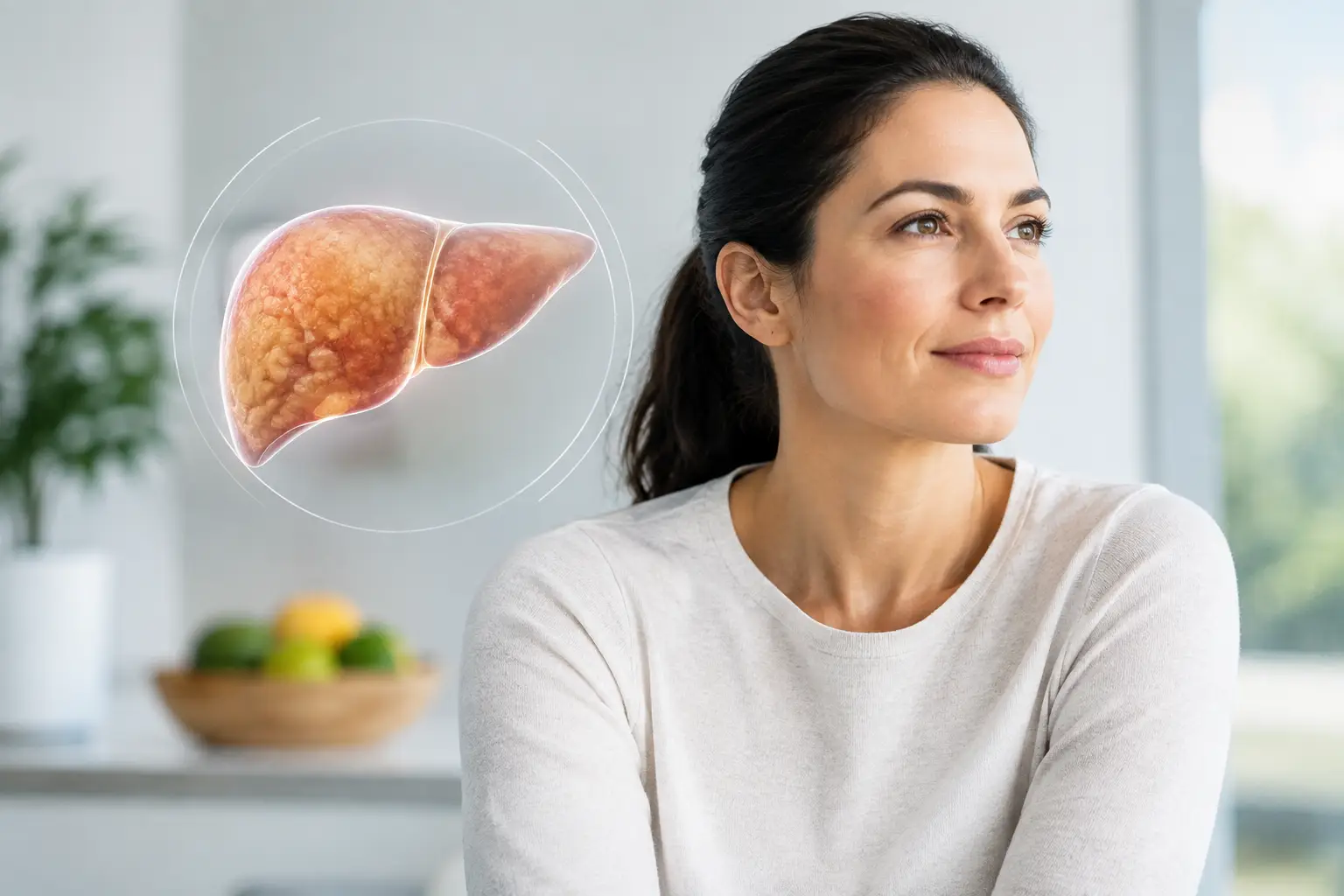

A fatty liver result on an ultrasound or routine lab panel can feel alarming, especially when you feel relatively well. The encouraging reality is that many people can improve fatty liver, particularly when it is identified before significant scarring develops. Knowing how to improve fatty liver starts with understanding the metabolic drivers behind it, measuring your individual risk, and following a plan that is realistic enough to sustain.
Fatty liver disease is increasingly called metabolic dysfunction-associated steatotic liver disease, or MASLD. It occurs when excess fat accumulates in liver cells, often alongside insulin resistance, elevated triglycerides, increased waist circumference, prediabetes or type 2 diabetes, sleep apnea, and difficulty losing weight. It is not simply a liver problem. It is often a visible sign that the body’s metabolic system needs attention.
Confirm What Is Actually Happening in Your Liver
A mildly elevated ALT or AST does not, by itself, tell the full story. Some people with significant fatty liver have normal liver enzymes, while others have enzyme elevations caused by medications, alcohol, viral hepatitis, autoimmune disease, iron overload, or another condition. That is why a generic recommendation to “eat better” is not enough.
A physician-guided evaluation should look at the bigger picture: liver enzymes, bilirubin, platelet count, blood sugar markers, fasting lipids, kidney function, thyroid status, and medication use. Depending on your history, additional testing may be appropriate. Noninvasive fibrosis scores and imaging such as elastography can help estimate whether liver stiffness or scarring is present.
This distinction matters. Simple fat accumulation may improve substantially with metabolic changes. Inflammation and fibrosis require closer monitoring and, in some cases, specialty care. Anyone with jaundice, swelling in the abdomen or legs, vomiting blood, black stools, confusion, or severe abdominal pain needs prompt medical evaluation.
Weight Loss Is Often the Highest-Impact Lever
For people with excess body weight, gradual, sustained weight loss is one of the most reliable ways to reduce liver fat. Even a modest reduction in body weight can improve liver fat and insulin sensitivity. Larger reductions may improve inflammation and, for some patients, fibrosis risk.
The target is not a crash diet. Rapid weight loss can be difficult to maintain and may worsen gallstone risk. A better goal is a structured calorie deficit that protects muscle mass, improves blood sugar regulation, and fits your life. The precise approach depends on your starting weight, medical conditions, medications, food preferences, and prior dieting history.
This is also where many patients get stuck. They may be doing far more than they think they are doing right, yet have untreated insulin resistance, menopause-related body composition changes, poor sleep, medication-related weight gain, or an unrecognized thyroid issue. Those factors do not remove the need for nutrition and activity changes, but they can change what treatment plan is most effective.
Consider Medical Weight Management When Appropriate
For appropriate candidates, prescription weight-management medications, including GLP-1-based therapies, can be valuable tools. These medications may help reduce appetite, improve glycemic control, and support clinically meaningful weight loss when used with nutrition, activity, and ongoing medical follow-up.
They are not a substitute for addressing protein intake, resistance training, sleep, or long-term habits. They also are not right for everyone. A physician should review your health history, current medications, side-effect risk, and treatment goals before recommending them. Direct physician oversight is especially important when liver disease, diabetes, digestive symptoms, or multiple medications are involved.
Build a Nutrition Pattern Your Liver Can Live With
There is no single fatty liver diet that works for every person. The most effective pattern is usually one that reduces overall calorie excess, minimizes highly processed foods, and supports better glucose and triglyceride control.
Start by reducing sugary drinks, frequent desserts, refined snacks, and large portions of white bread, rice, pasta, and other rapidly absorbed carbohydrates. Fructose-heavy beverages are particularly relevant because the liver processes fructose differently than glucose. Replacing soda, sweet tea, energy drinks, and fruit juice with water, sparkling water, unsweetened coffee, or tea can make a meaningful difference.
Prioritize protein and fiber at meals. Lean meats, fish, eggs, Greek yogurt, tofu, legumes, and cottage cheese can help support fullness and muscle maintenance. Vegetables, beans, berries, oats, and other high-fiber foods can improve satiety and support healthier glucose patterns. Fats from olive oil, nuts, seeds, avocado, and fatty fish are generally better choices than trans fats and frequent fried foods.
A Mediterranean-style eating pattern is often a practical fit, but it should not become another rigid label. If you travel often, eat family meals, work shifts, or have a history of restrictive dieting, the plan needs to account for that. Consistency matters more than perfection.
Move Enough to Change Metabolism, Not Just Burn Calories
Exercise can reduce liver fat and improve insulin sensitivity even before major weight loss occurs. Aim for regular aerobic movement such as brisk walking, cycling, swimming, or jogging, while adding resistance training at least two days per week if medically appropriate.
Resistance training deserves special attention for adults focused on metabolic health. Building or preserving muscle improves glucose disposal and supports a healthier body composition. You do not need an extreme workout program. A progressive plan using weights, machines, resistance bands, or body-weight exercises can be effective when performed consistently.
If you are currently sedentary, start smaller than you think. A 10-minute walk after meals, a few weekly strength sessions, and less uninterrupted sitting can create momentum. The best exercise plan is the one you can repeat next month, not just the one you can complete for two weeks.
Address Alcohol, Sleep, and Related Metabolic Conditions
Alcohol can worsen liver inflammation and complicate the assessment of fatty liver disease. If you have known fatty liver, elevated liver enzymes, or fibrosis risk, discuss alcohol use honestly with your physician. For some people, avoiding alcohol is the clearest and safest recommendation. The right advice depends on the degree of liver disease, your drinking pattern, and other risks.
Sleep is another overlooked metabolic variable. Short sleep, untreated sleep apnea, and irregular sleep schedules can worsen appetite regulation, insulin resistance, fatigue, and weight management. Snoring, witnessed pauses in breathing, morning headaches, and daytime sleepiness are worth discussing rather than accepting as normal.
Blood pressure, cholesterol, triglycerides, diabetes, and hypothyroidism also need active management. Treating these conditions is not separate from liver care. It is part of protecting your liver, cardiovascular health, and long-term energy.
Be Careful With Supplements and Quick Fixes
The supplement market often targets people with fatty liver using detox language and promises of rapid reversal. Most products have limited evidence, variable quality, or potential interactions with medications. Some supplements and concentrated herbal products can cause liver injury.
Coffee may be associated with favorable liver outcomes for many people, but it is not a treatment plan and is not suitable for everyone. Vitamin E, prescription therapies, and newer liver-directed medications may have a role in selected patients, but the decision depends on the specific diagnosis and fibrosis stage. Do not start a supplement or medication because it is popular online.
How to Improve Fatty Liver With Measurable Follow-Up
Improvement should be tracked, not guessed. A useful follow-up plan may include body weight and waist measurements, blood pressure, liver enzymes, glucose markers, triglycerides, and repeat imaging or fibrosis assessment when indicated. Liver enzymes can improve before all metabolic risk is resolved, so the goal is broader than a single normal lab value.
Real follow-up also creates room to adjust the plan. If weight loss stalls, side effects appear, fatigue worsens, or lab results do not move in the expected direction, your physician can reassess rather than leaving you to start over alone. That continuity is the difference between a short-term diet and meaningful metabolic care.
A fatty liver diagnosis is a reason to act, not a reason to panic. With a comprehensive evaluation and a personalized plan, the next step can be clear: identify the drivers, make the changes that matter most, and measure progress with a physician who follows your health over time.

One Physician.
Ongoing Care.
Physician-Guided Metabolic Care
Have questions about your blood sugar, cholesterol, or weight? Meet with Dr. Miguel Antonatos to review your health history and any recent results, talk through your goals, and decide what to focus on next.

View consultation fees and program pricing before booking. Appointments are confirmed separately.
General questions? Email Text2MD. Please use secure patient messaging for medical questions or personal health information.