
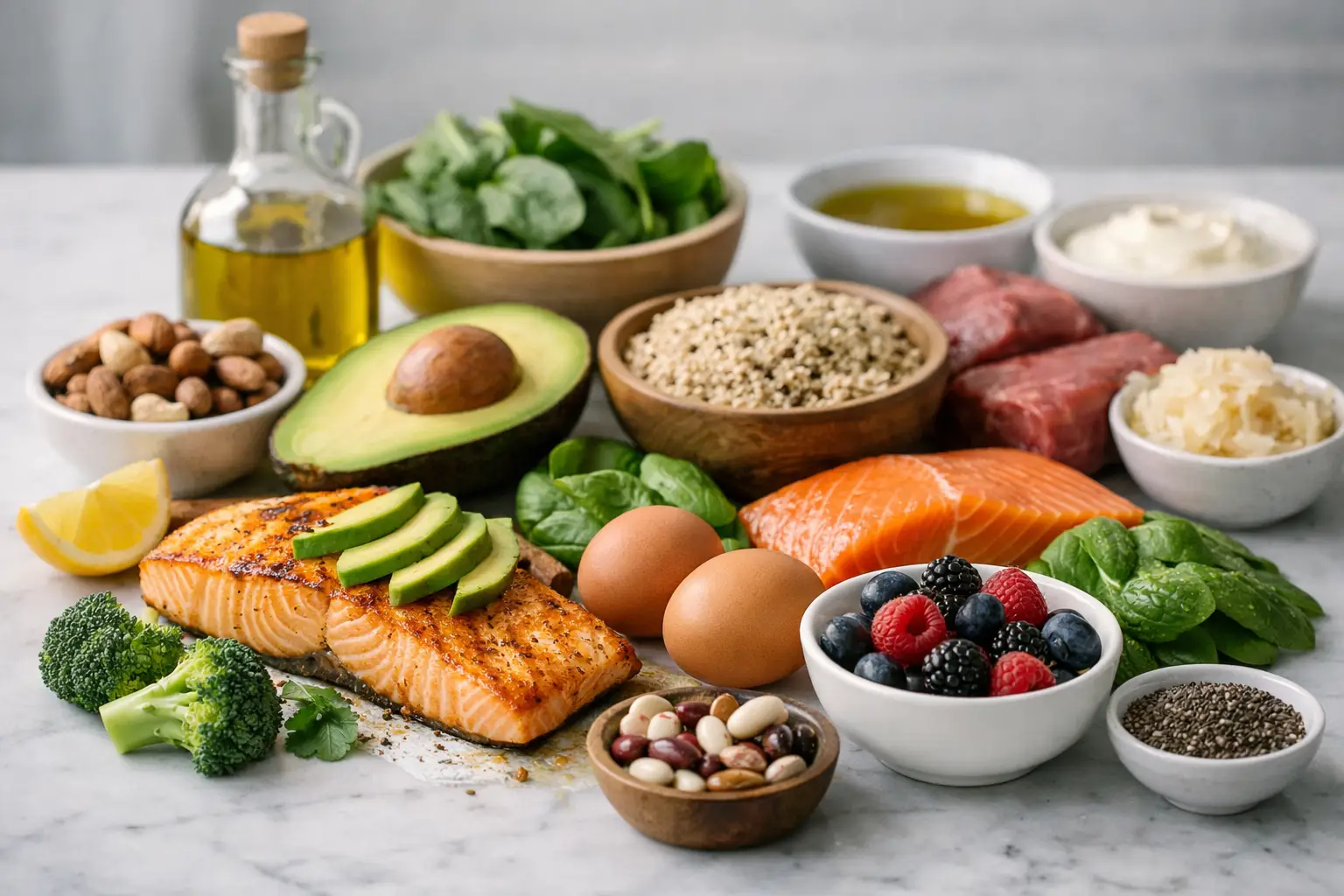
That 3 p.m. crash, the constant hunger after a high-carb breakfast, the feeling that your body is either storing everything or running on fumes – those are often signs your metabolism is not switching fuels efficiently. The best foods for metabolic flexibility are not trendy superfoods. They are foods that help your body move between burning glucose and burning fat with less metabolic strain.
Metabolic flexibility matters because it affects energy, appetite, insulin response, exercise recovery, and weight regulation. When this system is working well, you can go longer between meals without feeling shaky, use carbohydrates more effectively when you eat them, and tap into stored fat more efficiently between meals or during lower-intensity activity. When it is not working well, people often notice fatigue, cravings, blood sugar swings, stubborn weight gain, and a harder time responding to diet changes.
What metabolic flexibility really means
In plain terms, metabolic flexibility is your body’s ability to use the right fuel at the right time. After a meal, your body should be able to handle incoming carbohydrates and direct glucose where it is needed. Between meals, overnight, or during certain forms of activity, it should also be able to lean on fat for energy.
This is not just about calories. It is tied to insulin sensitivity, muscle mass, sleep, stress, hormone status, gut health, and overall metabolic health. Many adults dealing with insulin resistance, menopause-related weight changes, or metabolic syndrome are not failing because they lack willpower. Their physiology is pushing against them.
Food cannot fix every metabolic problem on its own, but it can either support or worsen the process. The right foods help reduce large glucose spikes, improve satiety, preserve lean mass, and support a more stable energy pattern.
Best foods for metabolic flexibility
The best dietary pattern for metabolic flexibility is usually mixed, protein-forward, fiber-rich, and built around minimally processed foods. Extremes can work for some people, but most patients do better with a plan they can sustain and adjust based on symptoms, labs, and goals.
Eggs
Eggs are one of the most practical foods for metabolic health. They provide high-quality protein, important micronutrients, and strong satiety for relatively few calories. A protein-rich breakfast can reduce late-morning hunger and may help blunt the blood sugar swings that follow a sugary or refined-carb breakfast.
For many people, especially those with insulin resistance, starting the day with eggs, vegetables, and a side of fruit works better than cereal, toast, or a smoothie alone.
Greek yogurt or cottage cheese
Unsweetened Greek yogurt and cottage cheese offer a useful combination of protein, calcium, and convenience. Protein supports muscle maintenance, and muscle is one of the main tissues that helps regulate glucose disposal. More muscle generally means better metabolic resilience.
The catch is the label. Many flavored yogurts are essentially dessert. Look for plain versions and add berries, chia seeds, or cinnamon instead of relying on added sugar.
Fish, especially salmon, sardines, and trout
Fatty fish bring protein plus omega-3 fats, which may support triglycerides, inflammation balance, and overall cardiometabolic health. That matters because poor metabolic flexibility rarely exists in isolation. It often shows up alongside elevated triglycerides, abdominal weight gain, fatty liver, or other signs of metabolic dysfunction.
Salmon is popular, but sardines and trout deserve just as much attention. They are nutrient-dense and often more affordable.
Lean meats and poultry
Chicken, turkey, lean beef, bison, and pork tenderloin can all fit. The main benefit here is straightforward: enough protein helps preserve lean body mass during weight loss and improves fullness after meals. That can make it easier to avoid constant grazing, which is often a problem in people with poor appetite regulation.
The trade-off is preparation. Breaded, heavily processed, or sugar-sauced meats do not offer the same metabolic benefit as simpler preparations.
Legumes
Beans, lentils, and chickpeas are some of the most underrated foods for metabolic health. They provide fiber, plant protein, and slow-digesting carbohydrates, which makes them very different from refined starches. Many people tolerate them well and notice better fullness and steadier energy when legumes replace white rice, crackers, or processed snack foods.
If you have significant bloating or gut symptoms, portion size and preparation matter. Some patients need to start small or work on gut health first.
Berries
Berries are one of the best carbohydrate choices for metabolic flexibility because they provide fiber and polyphenols with a relatively modest glycemic load. They can satisfy a sweet craving without pushing blood sugar in the same way juice, dried fruit, or pastries do.
Blueberries, raspberries, strawberries, and blackberries all work. They pair especially well with protein-rich foods, which further improves meal balance.
Non-starchy vegetables
Leafy greens, broccoli, cauliflower, Brussels sprouts, zucchini, peppers, asparagus, mushrooms, and cucumbers should be routine staples. These foods increase volume and fiber without a heavy glucose burden. They also support gut health, which is relevant because gut dysfunction and metabolic dysfunction often overlap.
This category is not glamorous, but it is foundational. If a meal is mostly protein plus non-starchy vegetables with an appropriate amount of healthy fat and carbohydrates, metabolic control is usually better.
Avocados, olives, nuts, and seeds
Healthy fats help with fullness and meal satisfaction. Avocados, olives, walnuts, almonds, pistachios, chia seeds, and flaxseeds can all support a more stable appetite pattern when used appropriately.
That said, healthy fat is still calorie-dense. For patients actively trying to lose weight, portion awareness matters. A handful of nuts can be helpful. Several handfuls while distracted can work against progress.
Extra virgin olive oil
Olive oil deserves its own mention because it is a core part of eating patterns consistently associated with better cardiometabolic outcomes. It helps make vegetables and proteins more satisfying, and it can replace more heavily processed fats in the diet.
It is not a miracle ingredient, but it is a reliable upgrade in many kitchens.
Fermented foods
Plain kefir, unsweetened yogurt, kimchi, sauerkraut, and other fermented foods may support gut microbial diversity in some people. Since gut health can influence inflammation, appetite signaling, and glucose regulation, these foods can be part of a broader metabolic strategy.
This is an area where individual tolerance matters. Some patients feel better with fermented foods. Others with histamine sensitivity or digestive issues may not.
High-fiber carbohydrates
Not all carbohydrates impair metabolic flexibility. In fact, completely avoiding carbs is not necessary for everyone. The better question is which carbs, in what amount, and in what context.
Steel-cut oats, quinoa, sweet potatoes, squash, and intact whole grains can work well, especially when paired with protein and eaten around activity. For active adults or patients who sleep poorly on very low-carb plans, strategic carbohydrate intake can actually improve adherence and energy.
Tofu, tempeh, and edamame
Soy foods are a useful option for people who want more plant-based protein. They offer a better protein profile than many other vegetarian staples and can fit well into a metabolic health plan. Tempeh and edamame are often particularly satisfying because they combine protein, fiber, and texture.
Foods that make metabolic flexibility harder
If you are trying to improve fuel switching, the biggest obstacles are usually not single foods but patterns. Liquid calories, ultra-processed snack foods, frequent grazing, large sugar loads without protein, and alcohol excess all make regulation harder.
A muffin and coffee for breakfast, a granola bar at 10, takeout at lunch, afternoon snacking, and dessert after dinner can keep insulin elevated for much of the day. That does not mean you need perfection. It means your meal structure matters as much as your ingredient list.
How to build meals that support metabolic flexibility
Most people do well starting with protein first. From there, add non-starchy vegetables, include a smart fat source, and choose carbohydrates based on your activity level, insulin sensitivity, symptoms, and goals. Someone with significant insulin resistance may need fewer starches upfront than someone who is strength training four days a week.
Timing also matters. Some patients tolerate carbohydrates better earlier in the day or around exercise. Others do better keeping dinner simpler and more protein-forward. Menopause, poor sleep, elevated stress, thyroid issues, and GLP-1 use can all change what works best.
This is where generic online nutrition advice often falls short. If you have fatigue, central weight gain, rising A1C, high triglycerides, or hormone-related changes, food choices should be part of a medical plan, not a guessing game.
Best foods for metabolic flexibility in real life
The best foods for metabolic flexibility are the ones you can repeat consistently in a structure your body responds to. That might look like eggs and vegetables for breakfast, salmon and a large salad for lunch, Greek yogurt with berries as a snack, and chicken with roasted vegetables and sweet potato for dinner. It might also mean adjusting portions, meal timing, or carbohydrate intake after reviewing labs and symptoms.
At Text2MD, this is exactly where physician-guided care matters. Metabolic flexibility is influenced by insulin resistance, hormone shifts, medications, sleep, and body composition. Food is essential, but the right plan is personal.
If your body is giving you mixed signals – hungry but tired, eating less but not losing, exercising but not recovering – that is a reason to look deeper. Better metabolism usually starts with better information, followed by a food plan your physiology can actually use.