
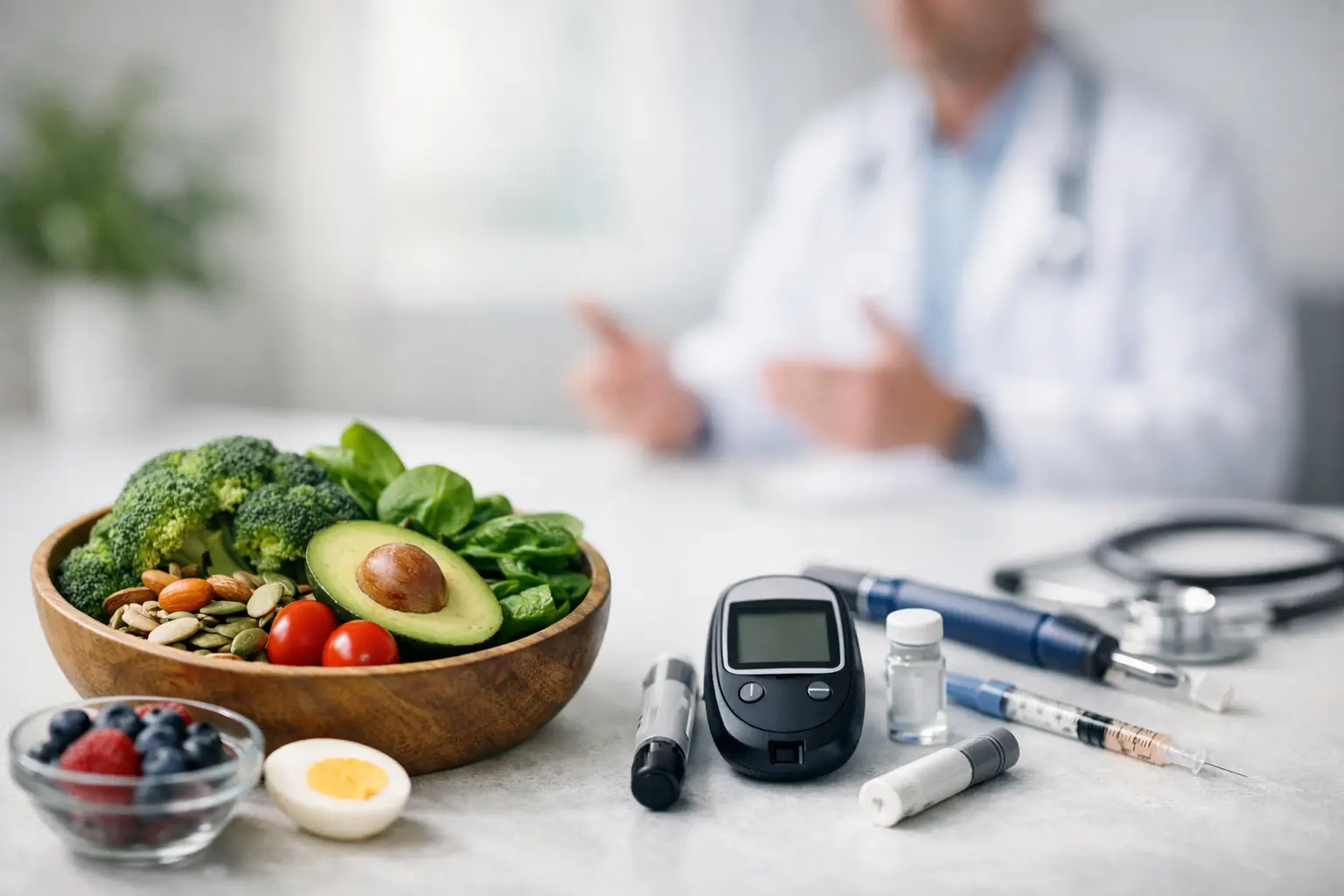
If you feel like you are eating better, trying to exercise, and still gaining weight or crashing after meals, insulin resistance may be the reason. Many patients asking how to reverse insulin resistance are not dealing with a lack of willpower. They are dealing with a metabolic problem that changes how the body handles glucose, fat storage, hunger, and energy.
Insulin resistance is common, especially in adults with abdominal weight gain, prediabetes, PCOS, fatty liver, high triglycerides, menopause-related changes, or a family history of type 2 diabetes. It can also show up before blood sugar looks dramatically abnormal. That is one reason people often feel dismissed for years before getting real answers.
What insulin resistance actually means
Insulin is the hormone that helps move glucose out of the bloodstream and into cells. When the body becomes resistant to insulin, the pancreas has to produce more of it to get the same job done. Over time, that higher-insulin state can push the body toward weight gain, increased hunger, inflammation, worsening cholesterol patterns, and eventually prediabetes or type 2 diabetes.
This is not just a blood sugar issue. High insulin can affect appetite regulation, ovarian function, liver fat, and how efficiently the body uses stored energy. That is why patients often notice a cluster of symptoms rather than one isolated problem. Fatigue after meals, sugar cravings, belly fat, stubborn weight, brain fog, and difficulty losing weight despite effort all fit the picture.
How to reverse insulin resistance in real life
Reversing insulin resistance usually means lowering the body’s need for insulin over time and improving how sensitive cells are to it. That sounds simple, but the path is not identical for everyone. A 38-year-old woman with PCOS, a 52-year-old in menopause, and a 47-year-old man with fatty liver may all need different strategies.
The core principle is consistent: improve metabolic signals instead of chasing quick fixes. That means food quality, muscle activity, sleep, stress, and in some cases medication all matter.
Start with food that lowers insulin demand
Most people do better when meals are built around protein, fiber, and minimally processed carbohydrates instead of grazing on refined carbs throughout the day. The goal is not perfection. The goal is fewer dramatic blood sugar swings and less constant insulin output.
For many patients, breakfast is where the day goes off track. A sweet coffee and a pastry or a bowl of cereal can trigger a fast rise and fall in blood sugar, followed by hunger a few hours later. A breakfast with eggs, Greek yogurt, cottage cheese, or a protein shake paired with fruit or high-fiber carbs tends to be much more stable.
At lunch and dinner, think in terms of structure. Protein first. Non-starchy vegetables next. Carbohydrates chosen deliberately, not automatically. Rice, potatoes, beans, fruit, and oats can absolutely fit, but portion and timing matter. Highly processed foods that combine sugar, flour, and fat tend to work against insulin sensitivity because they are easy to overeat and metabolically disruptive.
Some people benefit from lowering total carbohydrate intake. Others do well without going low-carb, as long as they reduce ultra-processed foods and increase protein and fiber. This is where nuance matters. Overly restrictive eating can backfire if it leads to rebound eating, poor adherence, or loss of muscle mass.
Build muscle if you want better insulin sensitivity
Muscle is one of the most effective tools for improving insulin resistance. Active muscle tissue takes up glucose more efficiently, which means the body needs less insulin to manage the same meal. This is one reason resistance training is so valuable.
You do not need an extreme program. Two to four strength sessions per week can make a meaningful difference, especially when done consistently. Walking also matters more than most people think. A 10 to 15 minute walk after meals can help blunt post-meal glucose spikes and improve insulin response over time.
If you are already exercising and not seeing results, the issue may be intensity, recovery, or body composition. Long sessions of cardio without resistance training can leave some patients frustrated, especially in midlife when muscle preservation becomes more important.
Why sleep and stress can keep insulin resistance in place
Patients are often surprised when labs suggest insulin resistance despite reasonable food choices. In those cases, sleep deprivation, chronic stress, and hormonal shifts are often part of the story.
Poor sleep raises cortisol, increases hunger hormones, worsens cravings, and reduces insulin sensitivity. Even a few nights of short sleep can affect glucose control. If you snore, wake unrefreshed, or feel exhausted despite enough hours in bed, sleep apnea should be considered, especially if weight has increased.
Stress is not just emotional. It is physiological. Chronic stress pushes the body toward higher cortisol output, and that can contribute to elevated glucose, central fat accumulation, and a harder time losing weight. This does not mean meditation alone will reverse insulin resistance. It means stress biology has to be taken seriously as part of a medical plan.
Weight loss helps, but it is not the only target
Losing even 5 to 10 percent of body weight can improve insulin sensitivity significantly in many patients. But telling someone to just lose weight is not treatment. It skips the harder question: why is weight loss so difficult in the first place?
Insulin resistance can make hunger louder and fat loss slower. Menopause, PCOS, thyroid issues, poor sleep, and certain medications can all make the problem worse. That is why serious care starts with identifying drivers, not blaming the patient.
For some people, the right nutrition and exercise changes are enough. For others, physician-guided treatment may include medication support. Depending on the clinical picture, that can include metformin, GLP-1 medications, or other strategies tied to labs, symptoms, and overall metabolic risk. Medication is not a shortcut. In the right patient, it is a tool that reduces risk and helps the body respond better to lifestyle efforts.
Labs matter when you are trying to reverse insulin resistance
If you want to know how to reverse insulin resistance effectively, do not rely on symptoms alone. Lab data helps determine how advanced the problem is and what else may be contributing.
A thoughtful evaluation may include fasting glucose, A1c, fasting insulin, lipid markers such as triglycerides and HDL, liver enzymes, thyroid testing, and in some cases hormone evaluation. Waist circumference, blood pressure, and body composition trends also matter. Some patients have normal A1c but clear signs of metabolic dysfunction when the rest of the picture is reviewed.
This is especially relevant for midlife women. Menopause-related hormone shifts can worsen insulin resistance, change fat distribution, and reduce muscle mass. If symptoms include weight gain around the abdomen, sleep disruption, low energy, and stalled progress despite effort, hormones may be part of the metabolic story.
What usually does not work
Most patients have already tried the usual cycle before they seek real medical guidance. They cut calories aggressively, lose a little weight, then plateau or rebound. They overexercise, feel exhausted, and assume they failed. Or they jump between supplements and social media advice without a clear diagnosis.
Insulin resistance rarely improves with random wellness tactics. Detoxes, juice cleanses, and starvation-style dieting can make adherence worse and increase muscle loss. Generic meal plans often fail because they do not account for medications, hormones, sleep, appetite regulation, or metabolic severity.
The better approach is targeted and measurable. Track what is changing. Review labs. Adjust based on response. Keep the plan realistic enough to maintain.
A physician-guided plan changes the odds
Insulin resistance sits at the intersection of nutrition, endocrinology, weight regulation, and long-term disease prevention. That is why rushed care often misses it or treats it too superficially. A meaningful plan should answer a few key questions: How severe is the insulin resistance? Is prediabetes already present? Are hormones, sleep, gut symptoms, or medications making it worse? Would medical weight loss support improve outcomes?
That level of care is different from algorithm-based telehealth or quick prescription services. It requires real follow-up and a physician who can interpret labs, adjust treatment, and look at the whole metabolic picture. For patients who want a direct, doctor-led approach, Text2MD is built around that kind of continuity.
Reversing insulin resistance is possible, but it usually happens through steady correction of the signals pushing metabolism in the wrong direction. Better meals, more muscle, better sleep, lower inflammatory load, and medication when appropriate can change the trajectory. If your body has been giving you signs for a while, the next right step is not more guesswork. It is getting a clear medical plan and enough follow-up to make it work.