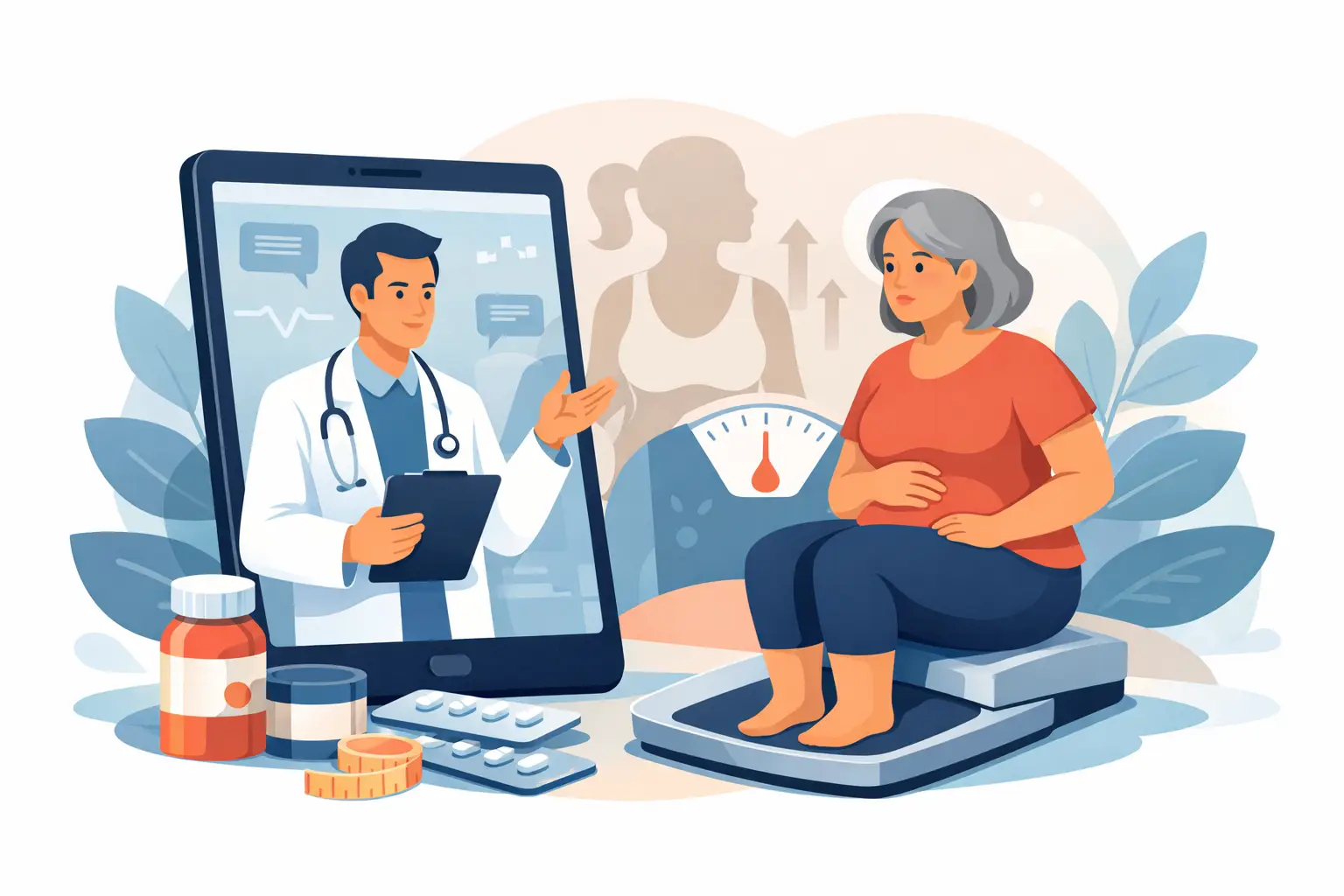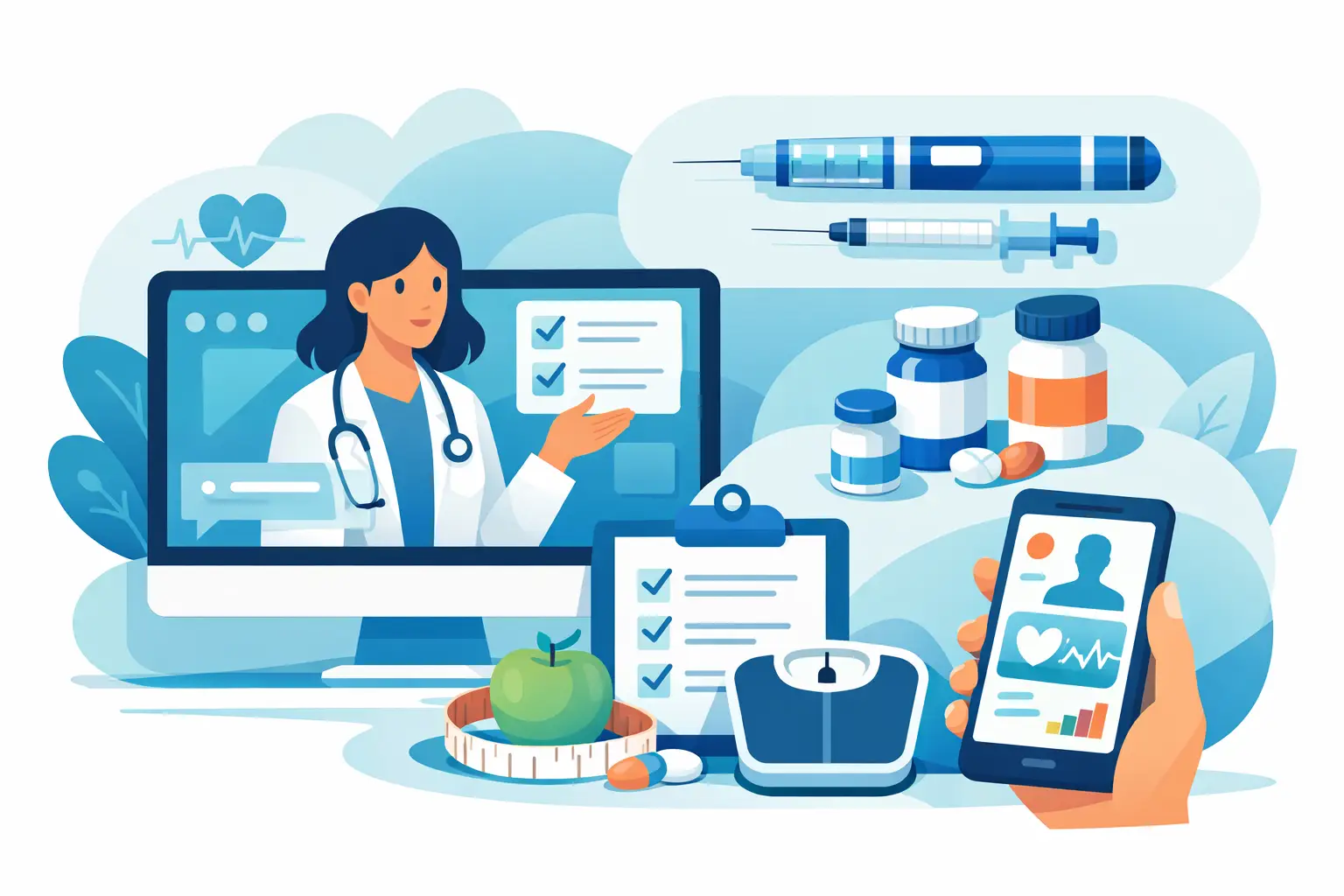

A lot of women do not start by asking for hormone therapy. They start by saying they do not feel like themselves anymore. Sleep gets lighter. Belly weight shows up despite doing the same things. Energy drops, workouts feel harder, mood changes become more noticeable, and brain fog starts interfering with work and family life. That is exactly why hormone therapy telemedicine for women has become such an important option – not as a trend, but as a more practical way to get real medical evaluation when symptoms are persistent and life is busy.
For many women, especially in perimenopause and menopause, the hardest part is not just the symptoms. It is getting taken seriously. Traditional care can feel rushed, fragmented, or overly narrow, with one visit for fatigue, another for sleep, another for weight gain, and no one stepping back to look at the full picture. Good telemedicine changes that when it is physician-led, lab-informed, and built around follow-up rather than one-time prescriptions.
What hormone therapy telemedicine for women actually means
At its best, hormone therapy telemedicine for women is not an online shortcut to medication. It is a structured medical process. A physician reviews symptoms, health history, current medications, risk factors, and lab data to determine whether hormone changes may be contributing to what a patient is experiencing.
That distinction matters. Midlife symptoms can overlap with thyroid dysfunction, insulin resistance, anemia, sleep disruption, stress-related cortisol changes, medication side effects, or other metabolic concerns. A serious medical approach does not assume every hot flash or pound of weight gain means hormones are the only answer. It evaluates the whole clinical picture first.
When hormone therapy is appropriate, telemedicine can make the process much more accessible. Women can meet with a physician from home, review labs, discuss treatment options, ask real questions, and continue follow-up without trying to fit multiple office visits into an already packed schedule. The convenience matters, but the quality of decision-making matters more.
Why women are turning to telemedicine for hormone care
The appeal is not just convenience. It is continuity. Many women are tired of call-center medicine, rotating providers, and generic wellness programs that treat hormone care like a subscription box. Hormonal treatment should not be transactional.
A physician-guided telemedicine model allows for deeper conversations about symptoms that are often connected. Weight gain, sleep problems, low libido, night sweats, mood shifts, inflammation, and blood sugar changes frequently show up together. They may be influenced by changing estrogen and progesterone patterns, but they are also tied to metabolic health, body composition, and how the body is responding to midlife.
That is where telemedicine can be stronger than the old model, assuming the practice is built correctly. With direct physician access, secure messaging, and planned follow-up, treatment becomes an ongoing clinical relationship rather than a quick prescription decision. For women who want real answers and measurable progress, that difference is significant.
Who may benefit from hormone therapy evaluation
Not every woman with symptoms needs hormone therapy, and not every woman is a candidate. But evaluation makes sense when symptoms are affecting quality of life and not improving with basic lifestyle changes alone.
Common concerns include hot flashes, night sweats, sleep disruption, mood changes, anxiety that feels new or worse, low libido, vaginal dryness, fatigue, brain fog, and stubborn weight gain. Some women also notice reduced exercise recovery, more abdominal fat, worsening insulin resistance, or a general sense that their metabolism has changed.
Perimenopause can be especially frustrating because symptoms may start years before periods stop completely. Lab values may not always tell the whole story in isolation, and symptoms can fluctuate. That is one reason a physician who understands both hormones and metabolic health can be valuable. The goal is not to chase a single lab number. It is to interpret symptoms, timing, risks, and physiology together.
What a high-quality telemedicine hormone program should include
The right model should feel like medical care, not marketing. That starts with a detailed physician consultation. Women should expect a real discussion of symptoms, menstrual history if relevant, medication use, personal and family history, cardiovascular risk, clotting risk, cancer history, and metabolic health.
Lab review should also be part of the process when clinically appropriate. Labs do not replace symptom assessment, but they help create a safer and more complete treatment plan. Depending on the patient, that may include looking at thyroid function, glucose control, insulin resistance markers, lipids, liver health, and other relevant data alongside hormone-related questions.
Treatment planning should be individualized. Some women may be candidates for estrogen and progesterone-based therapy. Others may need a different strategy, especially if they have contraindications, partial symptoms, or a larger metabolic component driving how they feel. Sometimes the best plan is not to start hormones immediately. That can be the right medical decision too.
Follow-up is where many programs fall apart. Symptoms change. Dosing may need adjustment. Side effects need monitoring. Weight, sleep, energy, bleeding patterns, and overall response all matter. Good care includes reassessment rather than assuming the first plan is the final plan.
The trade-offs and limitations women should understand
Telemedicine is a strong option, but it is not magic, and it is not appropriate for every situation. Some women may still need in-person evaluation, imaging, or referral depending on symptoms and medical history. Abnormal bleeding, breast concerns, uncontrolled hypertension, a history of clotting disorders, and certain cancer risks require careful review and may change what is safe.
There is also a difference between symptom relief and comprehensive health improvement. Hormone therapy may help hot flashes, sleep, mood, or quality of life, but it does not automatically solve insulin resistance, poor nutrition, sedentary habits, or underlying metabolic syndrome. In many women, the best results come from treating both hormone shifts and the broader metabolic picture.
That is why a narrow hormone-only approach can miss the mark. If a woman is also struggling with central weight gain, rising blood sugar, inflammation, and fatigue, she may need a plan that addresses more than hormones alone. A physician who understands the overlap between menopause, metabolism, and long-term risk can help avoid oversimplified treatment.
Why physician involvement matters more than platform convenience
There is a growing market for online hormone services, but not all of them are built around real medicine. Some rely on intake forms, minimal oversight, or broad protocols that do not reflect individual risk. That may feel efficient, but efficiency is not the same as quality.
Hormone decisions should be made by a physician who can evaluate contraindications, review lab trends, monitor clinical response, and adapt treatment over time. Women deserve better than algorithm-based care, especially when symptoms are affecting mood, sleep, body composition, and daily function.
This is one area where physician continuity matters. Seeing the same doctor over time creates better pattern recognition. It is easier to notice what is changing, what is improving, and what may need a different direction. That kind of follow-up often gets lost in larger telehealth systems built around volume.
Hormone care should fit the reality of midlife health
Midlife is not just about reproductive hormones. It is often the point where metabolic dysfunction becomes harder to ignore. Women may notice they are eating the same way but gaining more weight, recovering more slowly, and feeling more inflamed. Sleep becomes less restorative, cravings get stronger, and blood sugar control may worsen even without major lifestyle changes.
That does not mean every issue is hormonal, but it does mean hormone care works best when it is connected to the bigger picture. A physician-led model that looks at fatigue, body composition, insulin resistance, gut symptoms, and inflammation alongside menopause-related concerns is simply more useful than a symptom checklist alone.
For women who want that kind of care, Text2MD reflects what telemedicine should look like – direct physician involvement, lab-informed treatment, and ongoing follow-up without corporate middlemen.
The right next step is not guessing whether what you are feeling is normal enough to ignore. It is getting a real medical evaluation from someone willing to look at the whole picture. When care is thoughtful, personalized, and consistent, telemedicine can make hormone treatment more accessible without making it superficial. That is the standard women should expect.