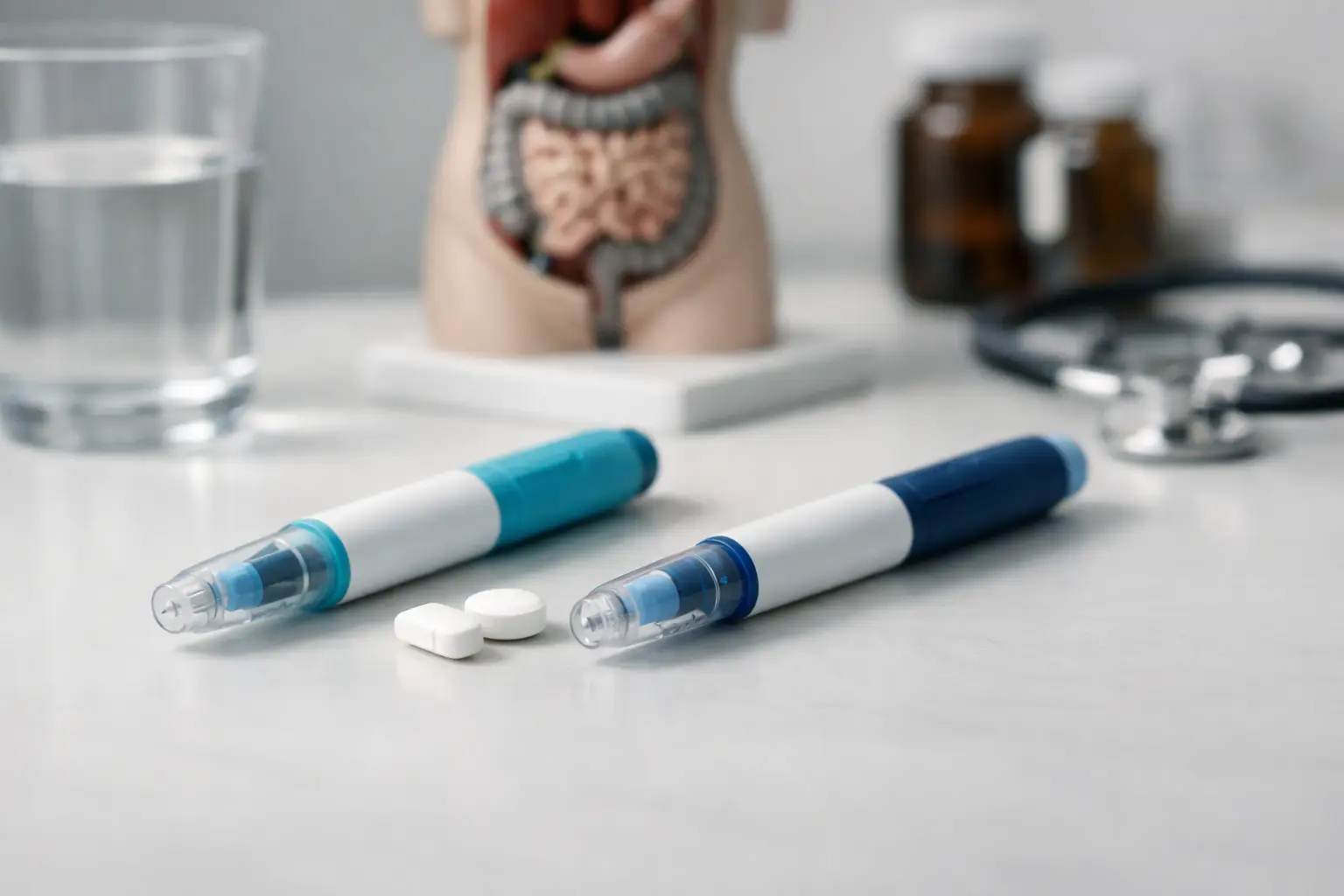

A patient starts an online weight loss program, fills out a questionnaire, gets a meal plan, maybe a prescription, and hopes this time will be different. A few weeks later, hunger is still high, energy is inconsistent, the scale may barely move, and nobody has explained why the weight was difficult to lose in the first place. That gap is what most online weight loss programs miss.
The problem is not usually a lack of motivation. For many adults, especially in midlife, weight gain is tied to insulin resistance, hormonal shifts, sleep disruption, gut symptoms, medications, stress physiology, loss of muscle mass, or metabolic adaptation after years of dieting. If a program treats every patient like a simple calories-in, calories-out equation, it will miss the clinical drivers that make weight loss harder and weight regain more likely.
What most online weight loss programs miss first
Many platforms are built for speed and scale, not for medical depth. That matters because excess weight is often a symptom of a larger metabolic issue, not a standalone problem.
When care begins and ends with a generic intake form, patients may never get a clear assessment of insulin resistance, thyroid function, perimenopause or menopause changes, testosterone issues, inflammation, lipid abnormalities, sleep concerns, or patterns that suggest metabolic syndrome. They are told what to do, but not why their body has been resisting change.
That missing layer is often the difference between short-term compliance and real progress. Patients do better when they understand the mechanism behind their symptoms. If hunger is being driven by blood sugar swings, that needs a different strategy than weight gain tied to poor sleep and elevated stress hormones. If a woman in her late 40s is gaining abdominal weight, waking at 3 a.m., and feeling more inflamed, a standard weight loss template may be the wrong tool entirely.
Weight loss is rarely just about willpower
A lot of online programs still sell the idea that success depends mainly on discipline. That message is not only discouraging – it is often medically incomplete.
Metabolism is influenced by far more than food choices. Hormones affect appetite, insulin affects fat storage, sleep affects hunger signaling, and muscle mass affects energy expenditure. Gut symptoms can change food tolerance and inflammation. Certain medications can contribute to weight gain. Chronic under-eating can even backfire by increasing fatigue, reducing adherence, and setting up rebound eating.
This is why two people can follow similar plans and get very different results. It is also why patients who have “tried everything” are often not failing. They may simply have been given strategies that never addressed the physiology involved.
The missing piece is physician-guided assessment
The strongest medical weight loss care does not start with a trendy protocol. It starts with clinical evaluation.
That means looking at the patient as a whole person: symptoms, history, lab data, body composition trends, metabolic risk factors, sleep quality, hormone patterns, medications, and previous responses to diets or treatments. It also means asking better questions. Is the main issue uncontrolled appetite? Is it fatigue that limits movement? Is it menopause-related metabolic change? Is insulin resistance driving persistent weight around the midsection? Is bloating or constipation making adherence harder? Those distinctions matter.
This is one reason physician-led telemedicine stands apart from mass-market platforms. Real medical care should not feel like a vending machine for prescriptions. It should feel like someone is actually tracking what is happening, adjusting the plan, and explaining the next decision.
GLP-1 medication is not the whole answer
GLP-1 medications can be highly effective tools for the right patient. They can reduce appetite, improve satiety, and support meaningful weight loss. But even here, what most online weight loss programs miss is that medication management is not the same as comprehensive care.
A prescription without follow-up is not a treatment strategy. Patients still need guidance on protein intake, hydration, bowel habits, muscle preservation, side effect management, dose adjustments, lab monitoring when appropriate, and what to do when weight loss slows. They also need a plan for the bigger metabolic picture. If insulin resistance improves but sleep remains poor and muscle mass declines, the long-term outcome may still be limited.
There is also an important trade-off that patients deserve to hear clearly. Medication can help create momentum, but it does not replace the need to understand why the body was struggling in the first place. The best results usually come when medication is part of a physician-guided plan, not the entire plan.
Midlife changes are often overlooked
One of the biggest blind spots in online weight loss care is midlife physiology, especially for women.
Perimenopause and menopause can shift body composition, insulin sensitivity, sleep quality, recovery, and hunger patterns. A patient may be eating the same way she did in her 30s and still gain weight more easily, particularly around the abdomen. She may also be dealing with fatigue, hot flashes, mood changes, poor sleep, or reduced exercise tolerance. A generic nutrition app does not account for that.
Men are not exempt from hormonal influence either. Low testosterone, poor sleep, stress, and metabolic dysfunction can all affect energy, body composition, and recovery. When these issues are missed, patients are often told to simply exercise harder or eat less. That advice may be incomplete at best and counterproductive at worst.
This is where a more serious medical approach matters. Hormonal care, metabolic care, and weight care often overlap. Treating them as separate problems can delay progress.
Why personalization matters more than intensity
Some patients do well with a structured low-carb approach. Others need a more moderate plan they can actually sustain. Some benefit from strength training as a priority. Others first need appetite control, better sleep, or treatment for gut issues before they can build consistent habits.
The best plan is not the most aggressive one. It is the one matched to the patient’s biology, symptoms, and real life.
That is another area where scaled online programs often fall short. They are optimized for repeatability. Patients, on the other hand, need individualization. A person with insulin resistance, constipation, and low energy needs different support than someone whose main issue is late-night eating after a stressful workday. Both may want weight loss, but the clinical path should not look identical.
What real follow-up changes
Follow-up is where treatment becomes medicine instead of marketing.
Without ongoing physician oversight, it is easy for problems to be missed. A patient may plateau because protein intake is too low, because a medication dose needs adjustment, because poor sleep is driving hunger, or because hormonal symptoms were never addressed. Another patient may be losing weight but also losing strength, feeling nauseated, or becoming discouraged by side effects. Those are not minor details. They shape whether treatment is safe, sustainable, and effective.
Real follow-up also creates accountability in the right direction. Not shame. Not generic reminders. Actual clinical guidance based on what is happening in the body.
This is why many patients eventually look for physician-guided care with continuity. A single doctor who knows the history, reviews the response, and adjusts the plan over time can provide something most online programs cannot: context. Text2MD is built around that kind of direct physician relationship, with lab-informed care and ongoing management rather than one-time transactions.
The better question to ask before joining a program
Instead of asking whether a program offers meal plans, tracking tools, or access to medication, ask a more useful question: who is evaluating the reason the weight is there?
If the answer is nobody, the program may be missing the most important part.
Weight loss care should account for insulin resistance, metabolic syndrome risk, hormones, inflammation, sleep, appetite regulation, gut health, and the practical realities of long-term follow-through. It should be personalized, physician-guided, and responsive when the body does something unexpected. That does not mean every patient needs the same tests, medications, or interventions. It means real care starts with real assessment.
For many adults, especially those who feel stuck despite trying hard, the path forward is not more pressure. It is better medicine, better follow-up, and a plan built around why the weight has been difficult to lose at all.