
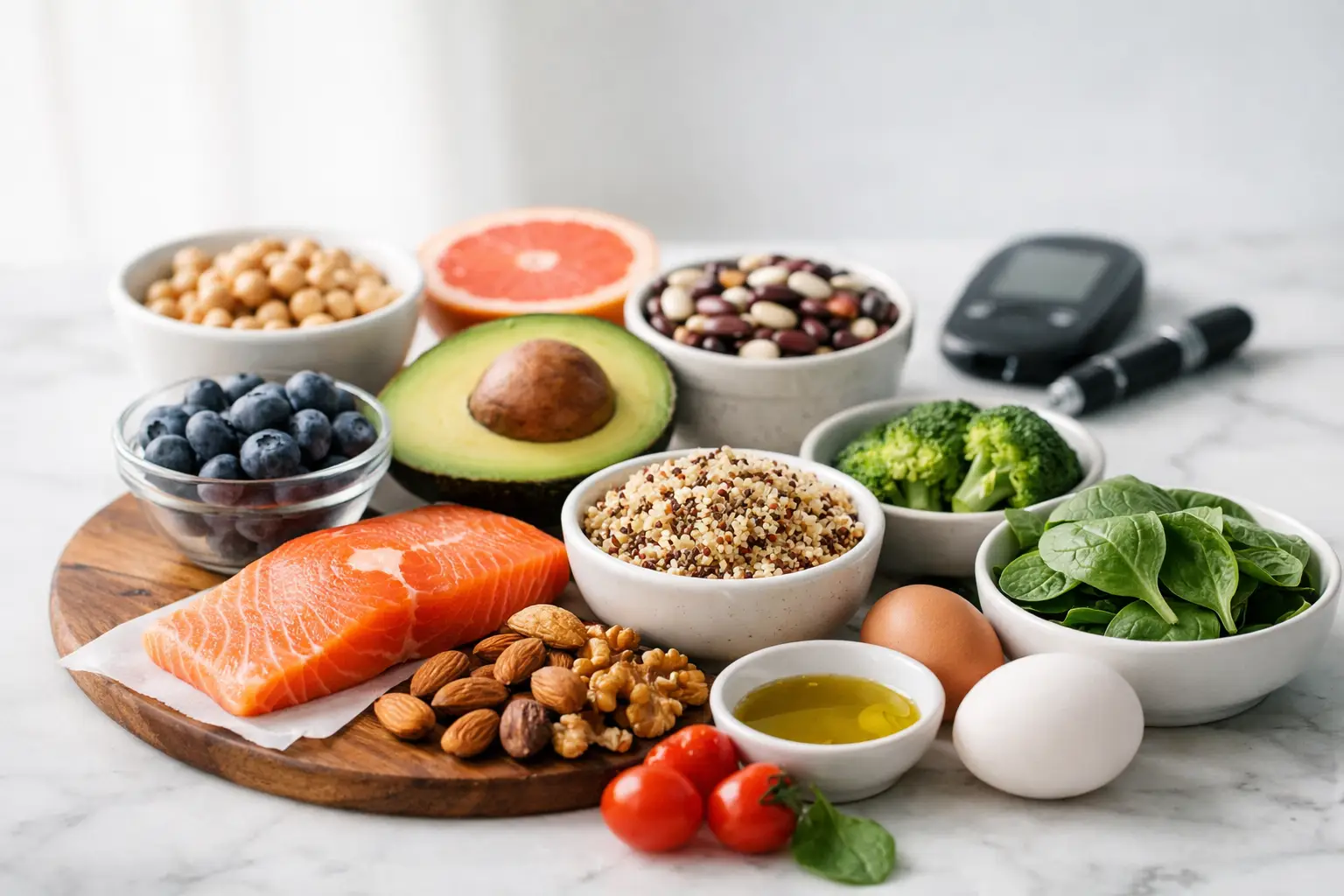
That mid-afternoon crash, intense hunger a few hours after breakfast, and the feeling that weight loss gets harder despite “eating healthy” can all point to a blood sugar pattern worth examining. The best foods for blood sugar balance do not need to be exotic, expensive, or restrictive. They are foods that slow digestion, reduce sharp glucose swings, support fullness, and fit into a pattern you can maintain.
For adults with insulin resistance, prediabetes, metabolic syndrome, weight concerns, or persistent fatigue, food quality matters. But so do portions, meal timing, sleep, stress, exercise, medications, hormones, and your individual lab results. Nutrition is a powerful foundation, not a substitute for appropriate medical evaluation or treatment.
What a blood sugar-friendly meal actually does
After you eat carbohydrates, your body breaks them down into glucose. Insulin helps move that glucose from the bloodstream into cells for energy or storage. When meals are heavily refined, low in fiber, or easy to overeat, glucose can rise quickly and insulin demand can increase. Over time, some people develop insulin resistance, meaning the body needs more insulin to get the same job done.
The goal is not to eliminate carbohydrates. Carbohydrates include nutrient-dense foods such as beans, fruit, oats, and sweet potatoes. The more useful goal is to choose carbohydrates that come packaged with fiber, then pair them with adequate protein and healthy fats. That combination generally produces a slower, steadier rise in blood sugar and better satiety.
12 best foods for blood sugar balance
1. Non-starchy vegetables
Leafy greens, broccoli, cauliflower, asparagus, peppers, mushrooms, zucchini, and green beans provide substantial volume with relatively few digestible carbohydrates. Their fiber supports fullness and gut health, while their micronutrients make them a high-return choice at nearly every meal.
A practical target is to make non-starchy vegetables roughly half of your lunch and dinner plate. Frozen vegetables count and are often the easiest option for busy schedules.
2. Beans and lentils
Black beans, chickpeas, kidney beans, lentils, and split peas provide fiber, plant protein, and slowly digested carbohydrates. They can be especially helpful for people who feel deprived on lower-carbohydrate plans because they are filling and versatile.
Portion still matters. A large bowl of beans may raise glucose more than a smaller serving paired with vegetables, protein, and olive oil. Start with about one-half to three-fourths cup cooked and assess how you feel and, if you monitor it, how your glucose responds.
3. Eggs and other protein-rich breakfasts
Many standard breakfast foods – pastries, sweetened coffee drinks, cereal, juice, and bagels – create a fast carbohydrate load with little fiber or protein. For people prone to morning hunger or energy crashes, a protein-forward breakfast can be a meaningful change.
Eggs, plain Greek yogurt, cottage cheese, tofu scramble, or leftover chicken and vegetables can help stabilize appetite. Eggs are not the only answer, but they are a simple, nutrient-dense option for most people without a medical reason to avoid them.
4. Greek yogurt or plain cottage cheese
Unsweetened Greek yogurt and cottage cheese offer protein with fewer added sugars than flavored yogurts. They work well with berries, chia seeds, walnuts, or cinnamon for a breakfast or snack that is far more balanced than a granola bar.
Check labels closely. Some “high-protein” yogurts contain substantial added sugar. Choose plain versions when possible, then add fruit for sweetness and fiber.
5. Berries
Berries are one of the more blood sugar-friendly fruit choices because they tend to provide more fiber relative to their sugar content than many other fruits. Blueberries, raspberries, strawberries, and blackberries also contain polyphenols that support overall cardiometabolic health.
Fruit is not the enemy. The better question is how it is eaten. Whole berries with yogurt or nuts behave differently than a large fruit smoothie made with juice, sweetened yogurt, and multiple servings of fruit.
6. Nuts and seeds
Almonds, walnuts, pistachios, chia seeds, flaxseed, and pumpkin seeds provide fiber, unsaturated fats, and varying amounts of protein. A small handful of nuts can make a piece of fruit more satisfying, while chia and flax can add texture and fiber to yogurt or oatmeal.
They are calorie-dense, so the trade-off is portion awareness. Measure a serving initially if weight loss is one of your goals rather than eating from a large bag.
7. Avocado and extra-virgin olive oil
These foods do not directly lower blood sugar, but their unsaturated fats can improve meal satisfaction and help replace refined carbohydrates or highly processed fats. Add avocado to eggs or salads, and use extra-virgin olive oil in dressings, roasted vegetables, or bean-based meals.
Fats are supportive partners, not a free pass to add calories without limit. The strongest results usually come from using them to build balanced meals, not adding them to an otherwise sugary or heavily processed diet.
8. Fish, especially salmon and sardines
Salmon, sardines, trout, and other fatty fish are excellent sources of protein and omega-3 fats. They contain virtually no carbohydrate and can support a meal pattern that favors cardiometabolic health.
Pair fish with vegetables and a fiber-rich carbohydrate such as lentils, quinoa, or a modest serving of sweet potato. This is a more balanced approach than viewing carbohydrate as automatically harmful.
9. Oats and intact whole grains
Steel-cut oats, old-fashioned oats, quinoa, barley, and farro can fit well into a blood sugar-conscious plan. Their effect varies by processing, portion size, and what you eat with them. Instant flavored oatmeal packets, for example, are very different from plain oats topped with chia, berries, and Greek yogurt.
If grains leave you hungry soon afterward, reduce the portion and increase protein or vegetables. Some people with significant insulin resistance feel better with smaller servings, while active adults may tolerate more.
10. Sweet potatoes and winter squash
Sweet potatoes, butternut squash, acorn squash, and pumpkin offer fiber, potassium, and carotenoids. They can be satisfying carbohydrate choices when roasted or baked rather than turned into sugary casseroles, fries, or heavily sweetened desserts.
A serving about the size of your fist is a reasonable starting point for many adults. Combine it with protein and vegetables instead of making it the bulk of the meal.
11. Fermented foods
Plain kefir, unsweetened yogurt, sauerkraut, kimchi, and other fermented foods may support gut microbial diversity, which is increasingly recognized as relevant to metabolic health. The evidence is still developing, and fermented foods are not a treatment for insulin resistance on their own.
Choose lower-sugar options and watch sodium in packaged products. For people with digestive symptoms, food tolerance is individual, so gradual introduction is often more comfortable.
12. Lean poultry, meat, tofu, and tempeh
Protein helps reduce post-meal hunger and supports preservation of lean mass during weight loss. Chicken, turkey, lean cuts of meat, tofu, tempeh, and edamame are all useful choices.
The most effective option is usually the one you can prepare consistently. A well-built meal of rotisserie chicken, bagged salad, olive oil dressing, and beans can outperform an elaborate meal plan that is impossible to sustain.
Build the plate before you count every gram
For many patients, the simplest starting point is a plate structure: begin with non-starchy vegetables, include a palm-sized portion of protein, add a measured high-fiber carbohydrate if desired, and finish with a source of healthy fat. This approach reduces decision fatigue and makes restaurant meals easier to manage.
Consider a few practical swaps. Replace juice with water, coffee, or unsweetened tea and eat whole fruit instead. Trade a bowl of sweetened cereal for Greek yogurt with berries and seeds. At dinner, replace half the rice or pasta with vegetables, then make sure the meal includes adequate protein.
Meal order may help as well. Eating vegetables and protein before starches can blunt the post-meal glucose response for some people. A 10- to 15-minute walk after eating is another simple tool that can support glucose handling.
When food alone is not enough
If you have prediabetes, type 2 diabetes, a history of gestational diabetes, unexplained fatigue, central weight gain, elevated triglycerides, or difficulty losing weight despite consistent effort, guessing is not a strategy. Comprehensive evaluation can identify patterns involving glucose, insulin, lipids, liver markers, thyroid function, inflammation, and hormones.
People taking insulin, sulfonylureas, or other glucose-lowering medications should not make aggressive dietary changes without clinician guidance, since hypoglycemia is possible. Individualized care also matters for kidney disease, digestive disorders, pregnancy, and those using GLP-1 medications.
A physician-guided plan can connect nutrition with objective labs, body composition, medication management when appropriate, and real follow-up with the same doctor. The right foods are a strong place to start, but lasting blood sugar balance comes from a plan that fits your biology and your actual life.