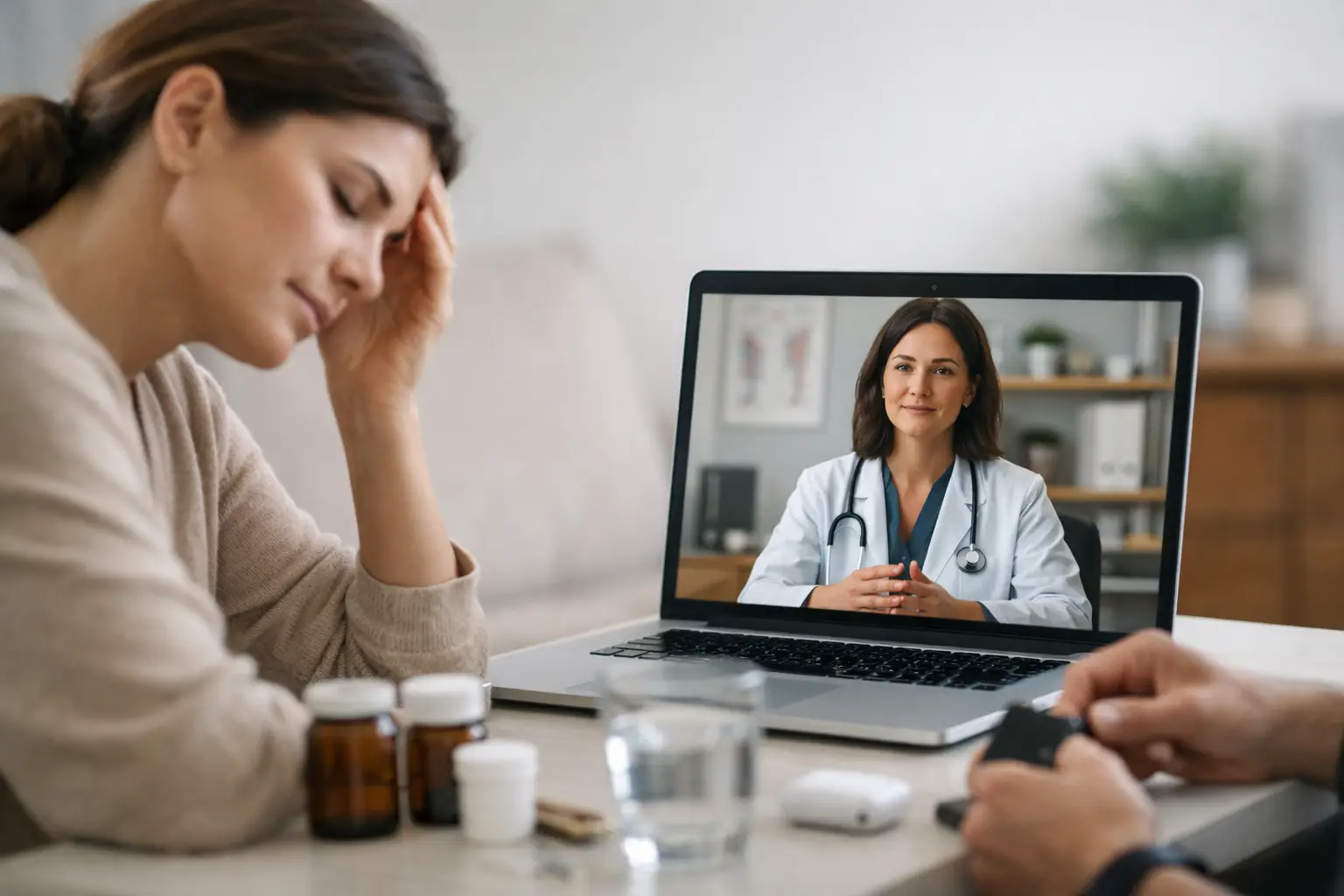

If you have been told to eat less and move more while the scale keeps climbing, this question gets very real, very fast: can telemedicine prescribe weight loss medication? In many cases, yes. A licensed physician or other qualified clinician can evaluate you through telemedicine and prescribe weight loss medication when it is medically appropriate, legally allowed in your state, and supported by a proper clinical assessment.
That said, the better question is not just whether telemedicine can prescribe it. The better question is whether the care behind that prescription is thorough enough to be safe, effective, and worth your time.
Can telemedicine prescribe weight loss medication safely?
Yes, telemedicine can be a safe and legitimate way to start medical weight loss treatment. But the quality of care matters more than the format. A video visit or secure messaging platform does not lower the medical standard. If anything, it should make physician access easier while preserving careful decision-making.
Weight loss medications are not one-size-fits-all. Some patients may be candidates for GLP-1 medications. Others may benefit from older FDA-approved options. Some should not start medication until thyroid disease, insulin resistance, menopause-related changes, sleep issues, medication side effects, or other drivers of weight gain are addressed. A real medical evaluation should sort that out before anything is prescribed.
This is where many patients get frustrated with generic online weight-loss platforms. They want a serious medical approach, not a checkout page. Telemedicine works best when it gives you direct access to a clinician who reviews your history, symptoms, risks, goals, and follow-up plan instead of treating weight loss like a quick transaction.
What has to happen before a telemedicine prescription?
A legitimate telemedicine prescription starts with diagnosis, not marketing. In most cases, the clinician should review your medical history, current medications, allergies, weight history, and any conditions that may affect treatment. That includes diabetes, prediabetes, high blood pressure, heart disease, thyroid disorders, kidney issues, liver disease, anxiety, depression, and a history of pancreatitis or eating disorders.
For many patients, labs are also part of good care. That may include blood sugar markers, insulin-related measures, cholesterol, liver enzymes, kidney function, thyroid testing, or hormone evaluation when symptoms point in that direction. If you are dealing with fatigue, stubborn abdominal weight gain, perimenopause or menopause changes, inflammation, or metabolic syndrome, the right workup can shape the treatment plan.
Some telemedicine practices also ask for home blood pressure readings, recent weight measurements, or previous records. None of that is red tape for its own sake. It helps determine whether medication is appropriate and which option is most likely to help without creating unnecessary risk.
Which weight loss medications can telemedicine prescribe?
Telemedicine clinicians may prescribe several types of weight loss medication, depending on your diagnosis, your state, and the prescriber’s scope of practice. This may include FDA-approved anti-obesity medications such as GLP-1 receptor agonists or other prescription options used for chronic weight management.
Not every patient is a match for the medication they have seen online. For example, GLP-1 medications can be highly effective, but they are not the right answer for everyone. Some patients do well with them and see meaningful improvements in appetite regulation, blood sugar control, and weight. Others struggle with side effects, cost, supply issues, or contraindications. Some need a broader metabolic plan first, especially if the deeper issue is hormone shifts, insulin resistance, or another untreated condition.
This is why physician-guided care matters. A prescription is only one part of treatment. Dose selection, side effect management, nutrition support, monitoring, and knowing when to stop or change course are just as important.
What telemedicine cannot do
Telemedicine is not a loophole around medical judgment. A responsible clinician should not prescribe weight loss medication just because a patient asks for it. They also should not ignore red flags because the visit is virtual.
There are times when telemedicine alone is not enough. You may need in-person evaluation if you have concerning symptoms such as chest pain, severe abdominal pain, dehydration, uncontrolled blood pressure, or signs of another illness that needs a physical exam. You may also need additional testing before starting treatment if your history suggests a more complex medical issue.
There are legal limits too. Prescribing rules vary by state, and clinicians must be licensed where the patient is located. Certain medications may have tighter rules than others. A credible telemedicine practice should be clear about state availability and prescribing boundaries instead of making broad promises.
Why follow-up matters more than the first prescription
The first month of treatment is rarely the whole story. Weight loss medication can change appetite, digestion, energy, blood sugar, and hydration. Some people do well immediately. Others need a slower dose increase, symptom management, or a different plan altogether.
That is why real follow-up is not optional. It is part of safe medical care. You want a physician or qualified clinician who checks how you are responding, reviews side effects, monitors progress, and adjusts treatment based on what is actually happening in your body.
This is especially important for adults dealing with midlife metabolic changes. A woman in menopause with visceral weight gain and poor sleep may need a different strategy than a younger patient with binge-eating patterns or someone with newly identified insulin resistance. The medication may overlap, but the care plan should not be generic.
For many patients, long-term success comes from combining medication with a broader metabolic evaluation. That can include nutrition changes, protein targets, resistance training, sleep optimization, stress management, gut-health evaluation, and treatment of underlying hormone or glucose-related issues. Medication can help, but it works best inside a structured plan.
How to tell if a telemedicine weight loss program is credible
The fastest way to spot weak care is to ask a simple question: who is actually making medical decisions? If the answer is unclear, or if your experience feels automated, that is a concern.
A credible telemedicine practice should make it easy to understand who is treating you, how they evaluate candidacy, whether labs are part of the process, and what follow-up looks like after the prescription is sent. You should know whether you are working with a board-certified physician, how side effects are handled, and whether your care continues beyond the first refill.
That continuity matters. Patients tend to do better when one physician follows the story over time instead of handing them off to a rotating pool of providers. Weight gain is often tied to more than calories. It can reflect changes in insulin signaling, stress hormones, menopause, low muscle mass, medication side effects, sleep apnea, or thyroid dysfunction. Those patterns are easier to catch when the same doctor is paying attention over time.
Practices such as Text2MD are built around that physician-guided model – not call-center medicine, not corporate handoffs, and not one-click prescribing. For patients who want direct doctor involvement and a plan that actually adapts, that difference is significant.
Can telemedicine prescribe weight loss medication if you do not have diabetes?
Yes. Many weight loss medications are prescribed for obesity or overweight with related health risks, not just for diabetes. Eligibility depends on your body mass index, your medical history, and whether you have conditions such as insulin resistance, prediabetes, high blood pressure, high cholesterol, sleep apnea, or other metabolic concerns.
This is another area where nuance matters. Some patients assume they have to wait until their blood sugar is clearly abnormal before seeking treatment. That is not true. Earlier intervention can be reasonable when excess weight is affecting energy, inflammation, cardiovascular risk, mobility, or quality of life.
At the same time, not every patient needs medication right away. Sometimes the best next step is a medical workup to identify why weight has become resistant to the usual advice. Telemedicine can support both paths when the care is physician-led and individualized.
The bottom line on telemedicine and weight loss medication
Yes, telemedicine can prescribe weight loss medication, and for many patients it is a practical, medically appropriate way to access care. But the prescription itself is not the standard. The standard is whether you are being evaluated thoughtfully, monitored carefully, and treated like a patient rather than a customer.
If your weight gain is tied to metabolic dysfunction, hormone changes, insulin resistance, or years of stalled progress, you do not need another generic program. You need a real doctor, a real assessment, and real follow-up. That is where telemedicine can be genuinely useful – not because it is faster, but because it can make serious medical care more accessible.